Cute Star Font: Your Go-To for Whimsical, Handmade Charm
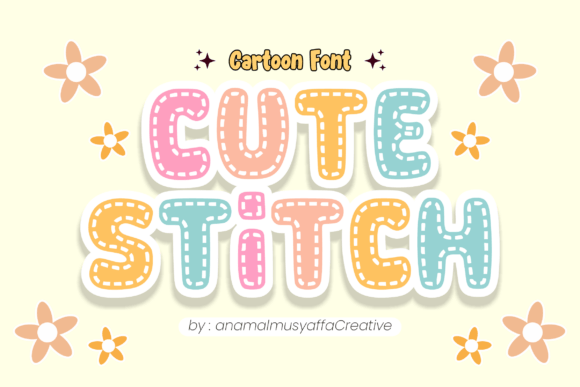
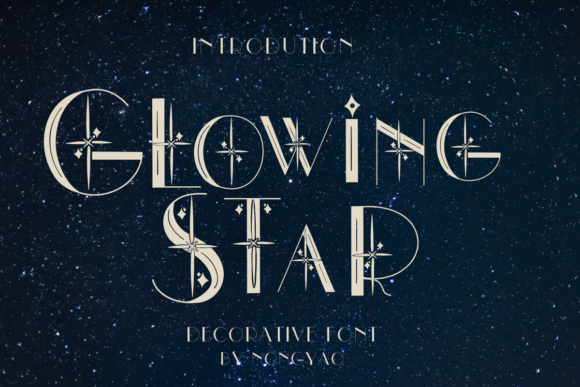
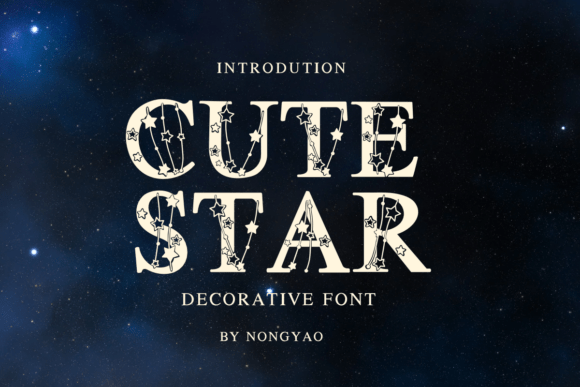
Finding a font that feels genuinely personal can be a game-changer for your projects. Cute Star is a decorative font that captures the essence of playful, handwritten notes and cheerful doodles. It’s not about rigid perfection; it’s about injecting warmth and a sense of fun into your designs. Think of the lettering you’d see on a favorite greeting card or in a child’s whimsical storybook—that’s the heart of Cute Star. Its characters have a slightly irregular, organic quality that mimics the look of being written with a felt-tip pen or marker, making it instantly approachable and friendly.
Understanding the Visual Personality of Cute Star
At its core, Cute Star is a display font designed to draw attention with its distinctive character. Each letter and number features soft, rounded edges and a gentle bounce in its baseline, creating a lively, informal rhythm. This isn't a sans serif font built for body text, nor is it a traditional serif font for formal documents. Instead, it sits in the realm of handwritten fonts and decorative styles, offering a curated look that feels both modern and nostalgic. The overall appeal lies in its ability to convey positivity, creativity, and a handcrafted sensibility without sacrificing legibility at appropriate sizes.
The font’s personality makes it particularly effective for projects targeting audiences who appreciate authenticity and charm. For a small business owner creating product tags or a blogger designing social media headers, Cute Star provides a visual shorthand for creativity and care. It helps build a brand identity that feels less corporate and more relatable, which can be a powerful differentiator in crowded markets.
Where This Creative Font Truly Shines
Cute Star excels in applications where a touch of whimsy and personal expression is desired. Its strengths are most evident in projects that prioritize visual appeal and emotional connection over dense information delivery. As a premium font asset, it’s versatile across both personal and commercial realms.
- Personal & Stationery Projects: This is where Cute Star feels most at home. Use it for taking notes in a digital planner, writing in a personal diary or journal, or designing heartfelt greeting cards, invitations, and thank-you notes. Its handwritten quality adds an intimate, personal touch that standard fonts lack.
- Branding & Marketing: For businesses in the lifestyle, children’s products, food, or creative services sectors, this creative font can be a cornerstone of your logo design (for the logotype, not necessarily the entire brand system), packaging design, and marketing collateral. It works beautifully on product labels, tote bags, mugs, and apparel, especially when aiming for a friendly, artisan, or playful brand persona.
- Digital & Social Media: In the fast-paced world of social media graphics, Cute Star helps content stand out. It’s ideal for Instagram story templates, Pinterest pins, YouTube thumbnail text, and engaging quote graphics. Its readability at medium sizes makes it suitable for short calls-to-action or headlines in digital ads.
- Publishing & Editorial Design: While not for body copy, it’s a fantastic choice for chapter titles, pull quotes, or decorative elements in editorial design for magazines, blogs, or e-books focused on crafts, parenting, or lifestyle topics.
Making Smart Design Choices with Cute Star
Integrating any decorative font like Cute Star requires thoughtful execution to ensure it enhances rather than hinders your project. The goal is to leverage its personality while maintaining clarity and professionalism.
Evaluating Project Fit: First, consider your audience and message. Cute Star is perfect for a children’s birthday party invitation but might not convey the right tone for a law firm’s annual report. Ask yourself: does the playful, handcrafted vibe align with my brand’s voice and the project’s objective?
Mastering Font Pairing: This is crucial. Cute Star’s expressive nature means it pairs best with clean, neutral fonts that provide balance. A simple, geometric sans serif font for body text or a straightforward serif font for supporting copy can create a harmonious font pairing. Avoid pairing it with other highly decorative or script fonts, as this can create visual chaos. Use Cute Star for headlines or key phrases, and let a more subdued font handle the bulk of the information.
Prioritizing Readability: Always test your design at the intended viewing size. Cute Star is designed for impact, so it’s generally best used for short bursts of text—headlines, titles, slogans, or single words. For longer sentences, ensure adequate line spacing and contrast. In web design, be mindful of how it renders on different screens; it’s often safer for hero sections or graphic elements than for navigational text.
Reviewing Styles & Licensing: Check what’s included in the font family. Does it offer multiple weights, alternate characters, or multilingual support? These features can greatly expand its utility. Furthermore, if you’re using it for commercial projects—like selling merchandise, designing client work, or creating products for sale—confirm that the commercial font license covers your intended use. Reputable font foundries provide clear licensing information.
Final Thoughts on This Whimsical Typeface
Cute Star is more than just a set of characters; it’s a design asset that brings a specific mood to your work. It doesn’t try to be everything. Instead, it offers a focused, high-quality solution for projects that need to feel joyful, personal, and handcrafted. By understanding its strengths and applying it strategically, you can use this typeface to create memorable designs that resonate on an emotional level, whether you’re a designer, crafter, entrepreneur, or content creator. The key is to use it with intention, letting its unique charm support your message rather than overpower it.