Glowing Star: The Decorative Font for Creative Projects
If you've ever felt that a standard sans serif font or a classic serif font just doesn't capture the energy of your project, you are likely missing a specific type of personality in your typography. Enter Glowing Star. This typeface isn't just a collection of letters; it is a distinct creative font designed to inject life and flair into your work. As a decorative font, it steps away from the rigid structure of body text fonts and embraces a style that demands attention. Whether you are a seasoned graphic designer, a small business owner looking to rebrand, or a hobbyist creating handmade goods, understanding how to wield a font like Glowing Star can be the difference between a design that blends in and one that truly shines.
Visual Characteristics and Personality
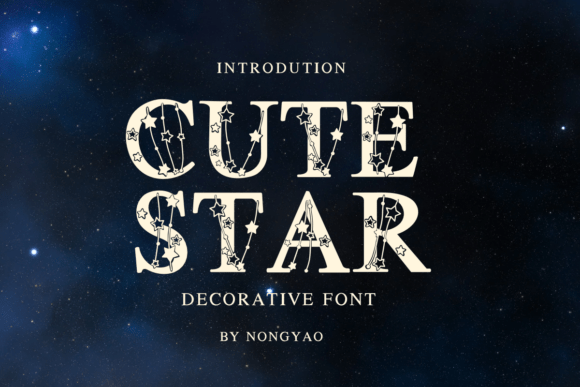
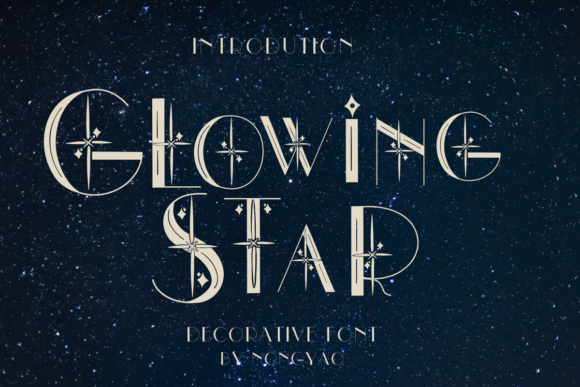
At its core, Glowing Star is a premium font that balances whimsy with structure. It is not a chaotic handwritten font, nor is it a stiff corporate typeface. Instead, it sits in a sweet spot that makes it incredibly versatile for display font usage. The visual appeal lies in its unique letterforms. It often features playful curves, sharp terminals, or dynamic spacing that suggests movement. When you look at it, you immediately get a sense of modernity mixed with a touch of artistic freedom.
The personality of this font is best described as energetic yet approachable. It doesn't scream for attention in a way that feels aggressive; rather, it glows—hence the name. This makes it a fantastic choice for brand identity projects where you want to appear innovative but still friendly to the end consumer. Unlike rigid modern typography that can feel cold, Glowing Star offers warmth, making it ideal for connecting with audiences on a human level.
Real-World Applications: From Stationery to Social Media
One of the biggest challenges in design is finding a font that translates well across different mediums. A typeface that looks great on a website might look muddy on a t-shirt. Glowing Star bridges this gap effectively. Here is how you can apply it across various creative avenues:
Physical Products and Packaging Design
If you are in the business of physical goods, Glowing Star excels in packaging design. Imagine this font printed on a matte coffee bag or a vibrant energy drink label. Its decorative nature ensures it stands out on a crowded shelf. It works exceptionally well for:
- Greeting Cards: The font is perfect for the front cover of birthday or holiday cards. It captures the celebratory mood instantly without needing additional graphics.
- Stationery: For notebooks, planners, and diaries, using Glowing Star for the headers or the cover title adds a bespoke, high-quality feel.
- Merchandise: On t-shirts, mugs, and tote bags, a display font needs to be legible from a distance. Glowing Star’s distinct shapes make it readable even when used as a central graphic element.
Digital Presence and Social Media Graphics
In the fast-paced world of digital marketing, you have about three seconds to stop a user from scrolling. Glowing Star is an asset for social media graphics. Its stylistic flair makes it perfect for Instagram stories, Pinterest pins, and YouTube thumbnails. Because it is a decorative font, it is best used for headlines and short calls-to-action rather than long captions. Using it for your "Link in Bio" or "Swipe Up" text can increase engagement simply because it looks different from the standard system fonts everyone else is using.
Furthermore, for web design, this font can serve as a hero section headline. It sets the mood immediately upon landing on the page. However, a word of advice from a design perspective: always pair a bold display font like Glowing Star with a highly legible sans serif font for the body copy to ensure readability and accessibility.
Strategic Impact on Brand Identity
Choosing a typeface is a strategic business decision, not just an artistic one. The fonts you choose communicate your brand's values before a customer reads a single word of your copy. By incorporating Glowing Star into your logo design or marketing materials, you are signaling creativity and modernity.
This font influences visual hierarchy significantly. In a layout where you have a block of text and a headline, Glowing Star naturally draws the eye to the headline first. This allows you to control the flow of information your audience receives. For entrepreneurs and marketers, this is crucial. You want the reader to see the exciting offer (set in Glowing Star) before they read the terms and conditions (set in a standard body font).
Consistency is another pillar of strong branding. When you use a premium font like this, you elevate the perceived value of your product. There is a distinct difference in how a consumer perceives a brand that uses default system fonts versus one that uses carefully selected design assets. Glowing Star adds a layer of professionalism and intentionality that suggests you care about the details.
Practical Guide to Using Glowing Star
As with any creative font, there are best practices to follow. Simply installing the font isn't enough; you need to know how to use it to its full potential.
Testing and Font Pairing
The most common mistake designers make with decorative fonts is failing to pair them correctly. Because Glowing Star has a strong personality, it needs a quieter partner.
- The Safe Bet: Pair Glowing Star with a geometric sans serif font like Montserrat or Lato. This creates a clean, modern contrast that is easy to read.
- The Artistic Choice: If you are going for a more editorial look (think magazine layouts), you could pair it with a transitional serif font. This creates a sophisticated tension between the decorative headers and the classic body text.
Always test your pairings by looking at them at different sizes. A font that looks great at 72pt might become illegible at 12pt. Since Glowing Star is a display font, keep it for larger sizes.
Readability and Licensing
When using Glowing Star for editorial design or packaging design, always prioritize readability. If the text is hard to read, the message is lost. Use high contrast between the text color and the background.
Finally, regarding the technical side: ensure you understand the licensing. Most premium fonts come with specific terms. If you are using Glowing Star for a client's logo design, you may need a license that covers commercial use and allows for the logo to be trademarked. If you are using it for personal diary writing or non-commercial greeting cards, a personal license usually suffices. Always read the EULA (End User License Agreement) to avoid legal headaches down the road.
Conclusion
Glowing Star is more than just a typeface; it is a versatile tool in your design assets toolkit. Whether you are designing a wedding invitation, a startup logo, or a series of social media graphics, it provides the visual spark needed to make your work memorable. By understanding its strengths as a decorative font and pairing it wisely, you can create designs that are not only beautiful but also strategically effective for your brand or personal projects.